Innovative Digital for History and Future

As the year draws to a close in December, it’s a great time to look back and forward with winter living and spirit.

Having winter solstice, Christmas and New Year’s Eve all in one month, December is the 1st month of winter to end the year with wonderful holidays and celebrations. It’s a colorful season to greatly enjoy winter wonderland and festive activities, it’s also a busy season for reflecting, giving, appreciating and greeting…

For many, December is such a special time of year to look at the past year and plan the year ahead. From valuable lessons to inspiring stories and movements, history shapes our present and future. We learn from history, we protect historic places, we save our heritage and health with innovative digital for good.

It’s almost end of the year, our countdown to New Year begins now with good cheer and inspirations…

Innovative history for cultural heritage

December is annual art and architecture month to appreciate excellence and beauty in design. As a famous gothic architecture in the world, Notre Dame de Paris has officially reopened to the public on December 8 after being closed more than 5 years. Since 2019, a huge reconstruction has been undergone for last few years due to a massive blaze. Now the cathedral is rebuilt from the ashes, and finally came back with a new life.

With the grand reopening ceremony and Christmas holiday in December, the catholic church is renowned for its medieval statue of the Virgin Mary with child to symbolize Mary’s divine motherhood. From a French cultural icon to one of the world’s top heritage sites, the architectural design and style make the historic monument very distinguished and timeless for its finest gothic art: timber roof, flying buttresses, towering spire, stained rose windows and treasured art objects etc.

Notre Dame is Our Lady in French, a title of Mary – mother of Jesus. Dedicated to Mother Mary, the Cathedral in Paris was originally built in the Middle Ages, a very long construction spanned about 100 years with several big phases from 1160s to 1250s, then over the following 3 centuries, it still kept being worked by a few great architects for evolution and improvement. Perfection comes over time, it finally becomes a masterpiece of Gothic architecture for its antiquity, structure and design values.

Right in the heart of Paris, Notre Dame lies on a central island in the River Seine (Île de la Cité). With a history of more than 860 years, it’s welcomed countless worshipers and visitors around the world for praying and discovering. Popular and magnificent, the Cathedral is a place of faith that mainly consists of 3 facades and 5 portals, 2 towers with a signature spire in the middle, a city plaza and an archaeological museum.

Home to many neoGothic artworks and precious objects, it has a total of 29 different chapels, a rounded apse and transept, a renovated treasury with modern museography, a liturgical choir and nave flanked by double aisles, 21 bronze bells and 3 pipe organs. On a rectangular plan like a Latin cross, it covers approximately 6,000m², measured about 50m and 126m for the width and length. With a height of 115m from the bottom to the top of towers, it specially contains a complex wooden roof with late medieval techniques, plus 3 famed rose windows among the large scale stained glasses.

Spacious and well framed, this Parisian building is the largest religious construction in Europe around the 12th century, it can accommodate up to 9,000 people, including 1,500 in the galleries. From ribbed vaults inside to decorative Le Stryge outside, from the Grand Organ to the Sainte Chapelle, it’s truly a unique experience to explore Notre Dame in 4 dimensions: historical, spiritual, artistic and cultural. Let’s look at some details and stories about its beautiful architecture and decors:

– the main entrance and 3 facades

The main entrance is formed by 3 portals on the side of west facade, which is built with a set of vertical lines (4buttresses and 2towers) and horizontal lines (portals, gallery of kings, bays, columns), as a result of innovative structure with geometric design of lines and squares to make up a large entrance.

On the lower part, the Portal of Saint Anne stands right side, and is dedicated to the mother of Mary. The 2 lintels depict Mary’s marriage and her mother’s marriage, also the life episodes of Christ including the Annunciation to Mary, the Visitation Mary, the Nativity of birth, and the Epiphany about adoration of the Magi. At the center, where the Virgin and Child sit on a throne under a canopy and bear royal attributes of the crown and the scepter, they are flanked by the King of France and the Bishop of Paris to show the royalty and Christianity.

In the middle, The Portal of the Last Judgment depicts God’s judgment on the living and the departed, where the cursed are punished, and the blessed are welcomed into eternal life. The narrative scenes include the Archangel Michael weighs souls: the elect ones are led to paradise, while the damned, chained and terrified ones are led by demons to hell. The heavenly court has angels, patriarchs, prophets, doctors, martyrs and virgins, with the lip lamps for the hope of gaining paradise, opposite of hell with the extinguished lamps. An archway of wood narrates Mary, who is adorned with a crown held by 2 angels. Other sculptures contain the statues of the wise and foolish virgins on the central pillar, 12 statues of apostles in the jambs with the medallions of virtues and vices.

On the left is the Portal of the Virgin particularly devoted to Mary, with the narrative scenes of her Assumption into Heaven and her coronation as Queen of Heaven. There are 9 statues of protective Saints on either side, a depiction of 12 months of the year and the zodiac signs representing the cycle in the jambs. On the central trumeau, the Virgin and Child trample the serpent symbolizing Satan, the four seasons and the four stages of life are described on their both sides to represent the cycle of life, underneath is the story of Adam and Eve. On the lintel, Mary is in paradise, seated and crowned by an angel. She sits beside her son, Jesus bless her and gives her the scepter, she becomes the Queen of Heaven around angels, patriarchs, kings and prophets.

On the upper part, the Gallery of King is surmounted by a small terrace with a 9.6-meter diameter of rose window at the center, where 2 angels with candlesticks symbolize sin and redemption flanking a central statue of the Virgin. On the top, 2 square towers are bordered by an openwork balustrade with the bronze bells and the Emmanuel bourdon inside.

The north facade and its cloister portal were built with new architectural concepts like a triangular gable surmounts the portal, an openwork gallery with a large rose window in the middle, a 3 levels’ structure supported by flying buttresses, and a large pinnacle in the shape of spires rises from its base on each side…Beside of the portal, it’s the small Red Door to access to the choir of the Cathedral. In the Middle Ages, red was the color reserved for women. In iconography, Our Lady Mary is dressed in a red robe then in blue through the history.

At the center of the portal, the statue of the Virgin and Child is placed on the trumeau as a typical French sculpture. The lintel, in the lower part of the tympanum, depicts 4 scenes from Christ’s childhood: the Nativity, the Presentation in the Temple, the Massacre of the Innocents by Herod, and the Flight into Egypt. The life of the Virgin is sculptured on bas-reliefs in a quadrilobed decor, and the Virgin’s posture is delicate, slightly swayed with her maternal smile for a majestic and humanized image of the woman and mother.

The south facade features the same architectural elements as the north side, and the Saint Stephen portal closes the south arm of the transept. Above the portal, it’s pierced by a 13-meter diameter rose window and the gable is on the top with 2 large pinnacles and 3 statues representing 2 Saints and Christ. Saint Stephen is the first Christian martyr, his life is shown with 3 depicting scenes on the tympanum of the portal and his statue stands on the central pillar between the 2 doors. The triple arch of the door is carved with 21 martyrs crowned by angels, with three statues of apostles on either side of the portal.

– rose windows and stained glass art

Technically, Gothic architecture is not only ambitious in artistic splendor, but also innovative about the light design to illuminate inside with the flourishing of large stained glass windows and enlarged high windows, which were rare and expensive with intense colors and large quantities of pigments to bathe the building in colored light. Notre Dame Cathedral is covered nearly 1000m² (about 1100ft²) by the stained glass windows as part of medieval architecture. Among them, 3 large rose windows (rosaces) from 13th century are placed over the main portals of west, north and south facades, the diameters are respectively 9.70m, 13.10m and 13.10m.

Known as the masterpieces of Gothic art, they were designed to pierce the wall and accentuate the entry of light into the building, with the shape of the openwork bay in the wall. Rose is the name of stained glass featuring different sizes, compositions and iconographies by the time of production, such as imagery stories, outward radiating and circular patterns etc.

The west rose window is dominated by the Virgin and Child at the center of the composition. With 24 spokes on 3 concentric circles, there are vices and virtues in pairs on the upper level, 12 signs of zodiac in the lower level. Similarly, the north rose window has the image of Mary holding the Christ child on a central medallion. To compare with the other 2, it also has preserved most of the original and intact glass from the 13th century onward.

The south rose window, also called as the noon rose, measures about 19m including the clerestory the glazing. 84 panels are painted in 4 circles, with numbers symbolically arranged in 4s, 12s and 24s. The 12 apostles are distributed in the circles, mixed with honored saints and martyrs in France. Among the depicting scenes, there are the 4 Great Prophets to represent a meditation from the 13th century:

We are like dwarves perched on the shoulders of giants, so that we can see more than they, not because our sight is sharper or our stature higher, but because we are lifted up by their giant size.

– interior architecture

Characterized by its Gothic style and ribbed vaulting, the cathedral rises on 3 levels from large arches and galleries to stained-glass rose windows and high windows. It has an interior area of 4800m² with a semicircle shaped apse decorated by the depicting panels about the life of Virgin, 113 windows on all sides, 29 chapels, 75 columns and pillars inside.

The nave is the central part of the building and a vast space to accommodate a large number of worshipers. Raised from the ground to the vaults, it consists of pillars, pilasters and columns that accentuate the effect of verticality. These verticals are broken horizontally by arcades and capitals, the regular rhythm between verticals and horizontals shows greatly a visual harmony for people.
On the top, the vault rests on ribbed arches above the transept crossing. Between each pillar, it’s vaulted with 6 ribs as a sexpartite composition, which is an architectural feat with dimensions never before achieved. The vaulted ceilings and ribbed design are not only aesthetic but very strong and stable to protect the interior of the building.

The Treasury is a unique space where spirituality, art and history come together. It preserves precious objects used in Catholic liturgy, such as sacred vessels, ornaments and liturgical books for Mass, offices and administering sacraments. After the destruction by the Revolution in 18th century, the sacristy was resurged around the mid-19th century at a small square cloister, decorated by ornamental sculpture and stained glass windows. It’s evolved through the history for its exhibition and preservation of religious items and their sacred values.

– exterior architecture

Historically, the cathedral is built with a geometrical concept for a symmetrical and tripartite space. A visual harmony is combined with the square (symbolizing the rational and limited world) and the circle(symbolizing the divine and unlimited spirituality). By using the materials of limestone and marble, a great mastery of techniques innovated the architecture by cutting stones, lightening the walls, piercing large openings, intersecting the ribs of the vaults, placing flying buttresses on the facades and preventing collapse in such a vast building.

The large single-arch flying buttresses is a major innovation of Gothic architecture both in height and slenderness. They have a single flight spanning over the galleries, their heads support the upper walls of the structure, which were topped with stone pinnacles and entirely carried by the ribbed vault with a series of counter-supports. This genius techniques made the walls higher and thinner with larger clerestory windows on. Especially they provide a dual practical function: solving the rainwater drainage problem without runoff on the stone, countering the facade and supporting the vault’s weight well to prevent it from collapsing.

Also for protecting the walls and stones from rainwater’s deterioration, a set of 54 chimeras were placed around the railings of the cathedral, to designate the ends of gutters to drain water far from the roof. These carved stones are Gargoyles as part of neoGothic decor with grotesque features. They’re famous about their overhanging appearance leaning into the void, animal forms and fantastical figures. In the mythology of classical antiquity, these ornamental sculptures have spiritual significance both good and evil, each has its own unique history and symbolism. One of the typical Gargoyle is called Le Stryge, perched on an angle along the gallery of the north tower, which is known as an image of gazing over Paris with a contemplative expression.

With a title of the forest, the original wooden roof of Notre-Dame was one of the oldest structure in Paris. Built in the 13th century, it had a big number and intensity of beams, each of them came from a different oak tree and some of the wood was even 3 or 400 years old already. The implementation of rib vaulting, pitched roofs, lead sheets and steep structure is innovative for its impressive dimensions: 100m in length, 13m in width, and 10m in height, plus 40m in the transept.

Above the transept crossing, the central spire of Notre-Dame is an architectural feat of Gothic style. The independent structure was restored in the 19th century, supported by the 4 pillars of the transept with an octagonal base. Soaring to a height of 96m (315ft) from the ground, the ornamental spire was composed of 500 tons of oak wood and 250 tons of lead, decorated with copper statues of the 12 apostles and symbols of the 4 evangelists. A copper rooster perched on its top as a weathervane to detect changes in the weather, and help people prepare for storms and other weather events.

Historically, the Gallic rooster is the bird of light and national symbol of France, it also symbolizes the sense of vigilance and protection in religious activities. Thus the famed statue was more than just a decorative feature and a practical weathervane, it’s deeply associated with cultural traditions and significance for centuries. The iconic rooster atop the spire contained a reliquary: a fragment of the crown of thorns, a relic of Saint Denis (a 3rd-century Christian martyr and saint), and one of Saint Geneviève (patron saint of Paris, who allegedly saved that city against plague, disasters and invasion in the 5th century.)

-surroundings along the river Seine

Designated a World Cultural Heritage site by UNESCO, the French state owned historical monument remains a notable place of worship and a must-see attraction right on the Seine. From its upper gallery on the towers, it’s a magnificent view of Paris over the Seine, a succession of bridges across the river with unique scenery along the both left and right banks.

In a large scale, the Holy Chapel (Sainte Chapelle) is a hidden gem just down the road about 500m from Notre Dame, also a historical monument in Gothic style as a symbol of royalty. It used to be the residence of the Kings of France until the 14th century, now becomes a museum with 2 levels of structure marked by its high vaulted ceilings, delicate interiors and extremely detailed stained glass panels. The lower chapel was dedicated to the Virgin Mary, with her column statue as the portal and many other decorative sculpture and murals. The upper level housed the Crown of Thorns and was reserved exclusively for the King and Queen during worship. The wall is featured by thousands of small pieces of glass to turn it into large screens of colored light, above archivolts and arches are richly decorated with painting and sculpture of angels.

Known as a prime example of rayonnant architecture and flamboyant techniques, the absence of masonry walls is the most striking aspect of its original construction. Replaced by pillars and buttresses, the space in between is filled almost entirely with glass to let light passes through its nave. Especially there are 15 stained glass windows that create spectacular walls of light in deep hues of red and blue. Covering a surface of 6500ft² in total, this glass framework is a beautiful work of art illustrating about 1100 characters with intricate patterns and iconographic scenes, while bathing its interior with a spectacular glowing of light like a kaleidoscope of colors.

When crossing the river and strolling along the Left Bank, it’s the Latin Quarter that’s one of the oldest districts in Paris founded by the emperor Napoleon in the 19th century. There are many universities and faculties, classic cafes filled by students and arty bookstores, to make the area as a hub of academic and artistic life. With a rich and incomparable history, it’s also home to winding cobblestone streets, botanical garden and historic landmarks like the stately Panthéon holding the remains of notables and great minds including Victor Hugo, Rousseau, Voltaire, Marie Curie and Alexandre Dumas.

The river side is famed for the open air booksellers(bouquinistes) with their green painted metal stalls as part of scenic views alongside the Seine. It’s a tradition all the way back to the 16th century, then it flourished over time, more and more popular becoming a cultural icon for people. There are about 200 independent outdoor booksellers offer some 300,000 collectable, new and used books and magazines under open skies. Especially in spring and summer, it’s very enjoyable to casually browse them for classic works of literature or non fiction, collectible and rare titles, old magazines and editions, vintage items and original gifts, artworks and more. In a charming French style, the Seine-side traditional booksellers remain one of the city’s most treasured legacies.

In front of Notre Dame, a large esplanade with benches and raised shrubbery beds forms the stone-paved parvis, which is an open square about 1200m² bordering by the Hôtel-Dieu hospital and national headquarter of the police. On the river side of the parvis, there is a historical structure as a point of interest and an equestrian statue of Charlemagne and His Guards (Charlemagne et ses Leudes), who is an ancient time monarch figure and the sculpture is made in bronze. At the center of this forecourt, it’s the point zero marker originating in the Middle Ages to make the parvis the very center place for the purpose of measuring travel distance. It’s also used for the National Route System to mark the starting point of 14 radiating roads from Paris throughout France.

The small island around Notre Dame is called Île de la Cité in French, it’s literally the birthplace of Paris sitting in the middle of the river, where the sparkles of history are shown with archaeological discoveries and remains over the course of centuries. The capital of France is admired for its long history of 1800 years and a vast underground world with historic tunnels all over the city. Stretching nearly 280km (about 174miles) in total, it’s an unparalleled construction from the 18th century to create the sewers and repurpose the subterranean spaces for various needs over times, including the combats against the city’s regular and deadly epidemics. Now it’s also a very popular tourist attraction to show the city’s past on a journey through time.

Under the parvis, the enduring legacy of past is dated back to Antiquity with an archaeological crypt, which is the most important one in Europe to display and preserve the remains from the past 2000 years of history, even from the prehistory of Paris. Naturally becoming an onsite museum of 1000ft² at the foot of Notre Dame, it contains a number of monumental relics discovered during excavations in the 1960s-70s. From ancient to modern times, there are the ruins of Parisian port, Medieval streets, found objects and foundations of the ancient Roman town, plus recovered artifacts like Mammoth tusks, swords and spears etc.

The classical past of old Paris is relived here with the historical memories, bring them to life is a demonstration that the City of Light has never ceased to rebuild itself through the urban and architectural evolution.

Best of fall harvest: moon, land and sky

Harvest: a noun comes from the Old English word for autumn as hærfest and means the season of gathering crops and celebrating golden nature at its best.

Fall season is usually from late September to early December as a busy time for farming work. After many months of planting and tending crops, it’s the harvest time for farmers to reap, collect and store annual crops like wheat and corns with the accumulation of hard work. Filled with abundance and joy, the harvest season is a culmination of what has been grown to be celebrated around the world.

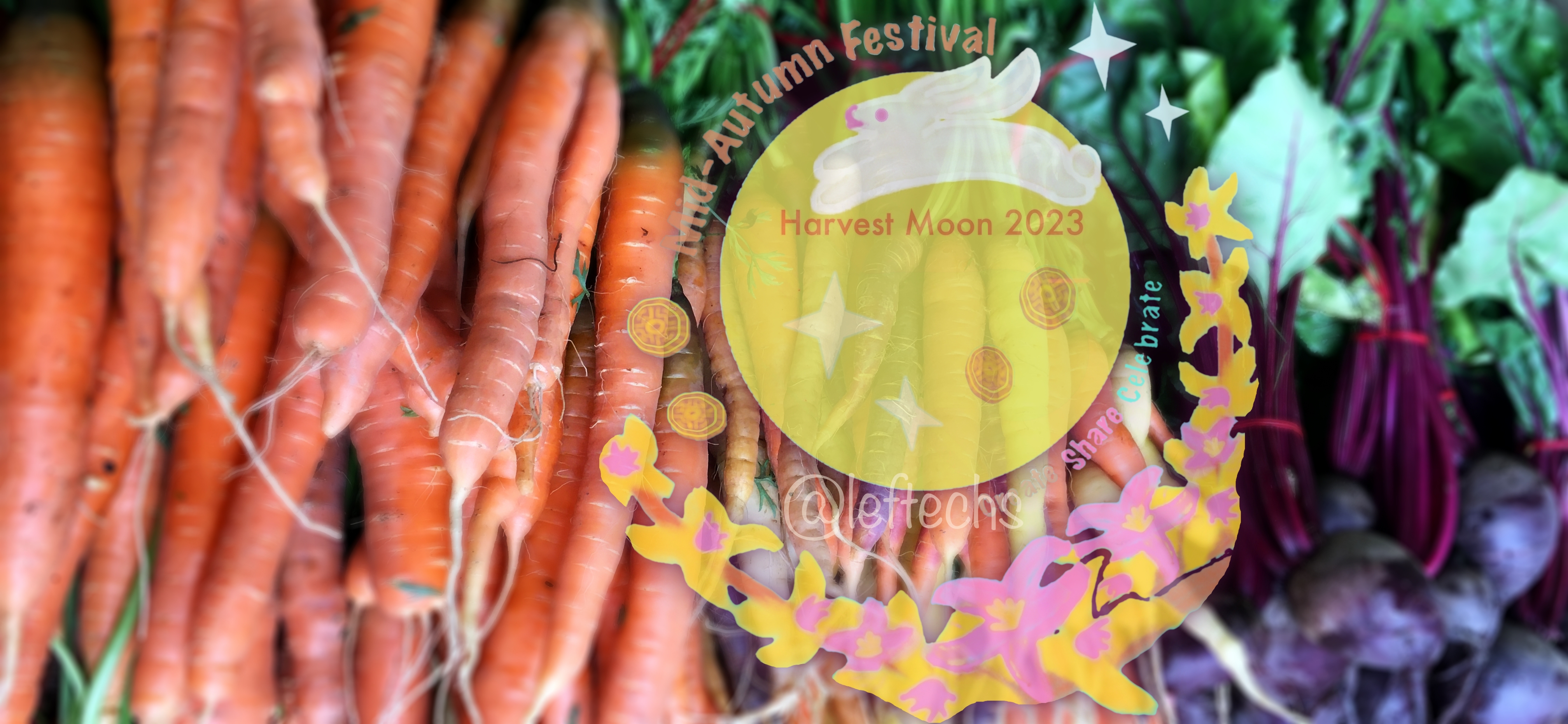
Now we are in the midst of the harvest season, which is a perfect time to work on magic for prosperity and gratitude. From growing crops to harvesting food, the seasonal celebrations are associated with a social importance and nature events found in many cultures and places, such as fall equinox, Harvest Moon, Mid-Autumn Festival, World Food Day and Thanksgiving.

harvest

Fall sky wonders

A rare ‘ring of fire’ eclipse is coming this week across the Americas. Look up the sky on Saturday October 14 for a partial or full annular eclipse experience, and don’t forget to view it with proper eye protection.

An annular solar eclipse occurs when the New Moon moves in front of the sun and appears smaller than the sun, so the moon doesn’t completely cover the sun’s disk as it is farther away from Earth. As a result, both of them overlap each other to produce the glowing ring in the sky and create a “ring of fire” at certain times and places.

It is a special celestial display since not every New Moon can be visible to make an eclipse happen. Normally we don’t see the New Moon from Earth except during solar eclipses, where it passes the sun and silhouettes against the Sun for a total, partial, annular or hybrid effect. For any solar eclipse to take place, it has to be around New Moon near its farthest point from Earth, when the Sun and Earth are aligned on opposite sides of the Moon to form a straight line of Earth-Moon-Sun.

eclipse types

The upcoming annular eclipse has a typical 5 stages of contact from partial beginning to full eclipse like the annularity, when the moon doesn’t block the sun entirely and instead leaves its bright outer edges visible, until covers its centre with a fiery ring or annulus around the moon like a narrow circle shape, then annularity and partial eclipse ends one after the other. From start to finish, the total duration lasts about 6 hours along the way and about 3 hours in locations where it is visible.

It will start over the pacific ocean around 8am PDT and move on west coast to southeast along a swath about 125 miles wide for the best viewing of annularity. The narrow path travels about 4000 mph across North to South America through part of Canada and US, all the way down Mexico and Central America to Colombia and Brazil. During this eclipse path, the estimated time of darkness is about 5 minutes, when the moon like a dark disk on top of the sun’s larger and bright disk, only a ring of light is visible in the sky.

eclipse

If you plan to view it, remember to protect your eyes and never look at the bright sun directly without right protection for solar viewing. Otherwise your eyes could be severely injured in an instant, as the Sun’s rays can burn the retinas in the eyes leading to permanent damage or even worse. A safe way to watch a solar eclipse is to wear protective eclipse glasses or to project an image of the eclipsed Sun using a pinhole projector. If you use a camera lens, binoculars, or a telescope to view and photograph, be sure to place a special-purpose solar filter secured over the front of the optics for doing so.

Well, this celestial phenomenon won’t happen again in North America until 16 years later, so catch it this week safely!

This fall harvest, the ring of fire is the 1st eclipse but certainly not the last one. Actually an eclipse never comes alone, and we are in the eclipse season to highlight the October skies. Every eclipse season is about 35 days with 2 to 3 eclipses in a row including 1 lunar eclipse at least, and a solar eclipse always occurs about two weeks before or after a lunar eclipse.

Solar eclipses only happen with a New Moon, which passes between the Earth and the Sun. And lunar eclipses only happen at full moon, which is on the opposite side of Earth to the Sun. In other words, Earth comes between the sun the the moon to block the sun’s rays unreaching the moon directly, since the moon shines by reflecting the sun’s rays on its surface without own light. Therefore lunar eclipses are very safe to look at with the naked eyes, unlike solar eclipses exposing some risks to bare eyes.

moon

Depending the weather conditions, 3 kinds of lunar eclipses can be visible in the night sky including total, partial and penumbral ones. A lunar month takes about 30 days to go through all of 8 phases from new moon to full moon, so the next and 2nd eclipse this season will occur 2 weeks later at the end of the month as a partial lunar eclipse, which can be seen greatly in Europe, Asia, part of North and South America etc.

Along with this lunar eclipse, the October full moon is called Hunter’s moon and visible everywhere on the night side of the world. It will rise together with planet Jupiter close to each other, so look up these 2 brightest objects in the sky for quite an impressive sight. The Hunter’s Moon is the first full Moon after the Harvest Moon, which usually happens at the end of September as the full moon closest to the autumn equinox. The both full moons are part of fall harvest to mark a time of preparing and gathering food before winter season comes.

Besides the eclipse season, some other celestial bodies like Saturn and Venus will also show up in the night sky to accompany the moon closely. In the astronomy news, we can look toward the south 1 hour or 2 after sunset to find the Moon about 70% illuminated, hanging just beneath the planet Saturn on October 23.

Eclipses, full moon, perseids and other cosmic highlights, what are your skywatching favorites this harvest season?

Space is calling

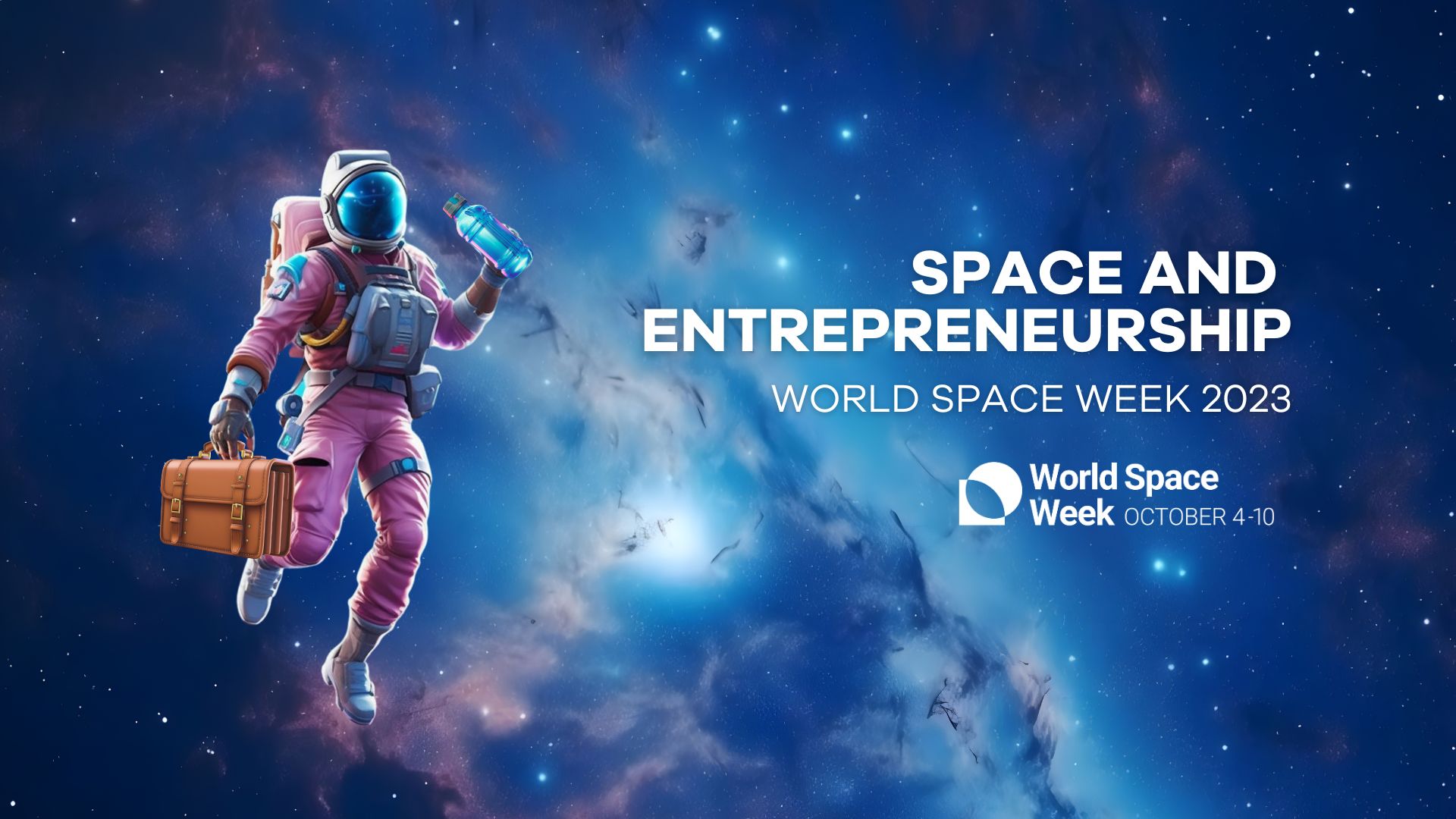
Each October, the World Space Week takes place at the beginning of the month with lots of educational workshops, innovative talks and celebrating activities. The theme is Space and Entrepreneurship for this year to highlight the importance and contributions of space science and technology.

The annual event is held to commemorate 2 important dates about space development: one is the launch of the 1st human-made Earth satellite – Sputnik 1 on Oct 4 in 1957 to open the way for space exploration; the other is in recognition of Oct 10 in 1967 entry into force of the Treaty on Principles Governing the Activities of States in the Exploration and Peaceful Uses of Outer Space, including the Moon and other celestial bodies.

1-7

Over the decades, the space exploration and international cooperation in outer space have incredibly advanced in shaping global economies and technologies. From rockets to satellites, from moon landing to mars mission, space is not only a driving force to change the world and address global challenges with innovative solutions, and also a great opportunity to achieve the global goals and a more sustainable future for humanity and our planet.

Besides public agencies and services in space research and development, the commercial space industry is getting bigger and wider with more and more entrepreneurial businesses and private companies to design, manufacture and invest for the betterment of the human condition. With a big ambition of colonizing Mars, SpaceX is one of the most well known private space companies that has successfully sent satellites and people to space, including NASA crews to the International Space Station. It’s the 1st manufacture in the world to build the reusable rockets that can carry cargo and astronauts into orbit. It also works on a starship system on a way for lunar landings and crewed mars missions.

Science and technology are the cores of space entrepreneurship and industry, both of public and private sectors have become increasingly involved in space exploration. There are some leading agencies like National Aeronautics and Space Administration(NASA), China National Space Administration(CNSA), European Space Agency (ESA) and Canadian Space Agency(CSA), who are interested in the commercial business and working with the private space services for different programs such as crewed spacecraft, lunar research, space travel to Mars, data products and services etc.

The rise of commercial space brings arguably a robust and competitive progress to heat up the race to space exploration and sustainability. So far the US has the record for the highest number of commercial space launches, followed by the European Union and Russia. China and India have also made it to the list of countries with successful commercial space launches in recent times.

Sky has no limit and space has no border

Get closer to other celestial bodies and land on some planets nearby are one of space dreams for many of us. Just like what happens in the real life, much more failures occur and fewer success has achieved. Landing on another planet is technically challenging and many attempt landings have failed. A human mission to Mars or living on the moon doesn’t work for now, but it doesn’t stop scientific research and technological innovation for Mars landings by robotic and unscrewed spacecraft.

As of today, Russia was the 1st country to conduct Mars probe with its soft landing, followed by United States and China to land on the surface of the red planet successfully for prob activities. Plus 3 countries that have reached Mars by entering into orbit and they are European Union, India and the United Arab Emirates. The moon landing has made more progress with both crewed and robotic missions. 4 nations have successfully achieved soft landings on the lunar surface including Russia with Luna probe, US with Surveyor program, China with Chang’e program and India with Chandrayaan-3 module. Russia was the 1st country to land the moon with an unscrewed rover as Luna 2, and the US is the only country to have conducted a crewed landing on the Moon as Apollo 11.

Starry skies, galaxy wonders, the moon and other cosmic planets…going to space and discovering the universe beyond our planet are much more exciting than ever. Fly to the moon and travel on Mars…more sky wonders and space advancements await us to keep exploring and dream big for humanity and sustainable planet.

Connecting with the land and nature

Occurring every 6 months, the equinox splits Earth’s day nearly in half as the natural marker of seasonal change.

A solar equinox is a moment when the Sun appears directly above the Earth’s equator, neither in north nor south of the equator. It’s a time to divide Earth equally with illuminated northern and southern hemispheres for almost 12 hours of both daytime and nighttime. Equinoxes are the start of the spring and fall with the vernal equinox in March and autumnal equinox in September. Like the summer solstice in June and winter solstice in December, equinoxes are celebrated by people since ancient times.

The September equinox ushers in the arrival of fall, now the fall harvest is in full swing with plenty of seasonal food and nature activities. Harvesting is simply the process of gathering mature crops and collecting plants, animals or fish for food. Fall harvest is truly a time to enjoy a wide variety of fresh produce in season: corns, pears, carrots, sweet potatoes, apples, beets, onions, mushrooms, squash, pumpkins…what are your favourite veggies and fruits?

Doing business with cultural diversity

May is one of the most busy and beautiful months of the year. Mother’s day, National Nurses Week, World Press Freedom day, Endangered Species day and International Day for Biological Diversity, a long list of important days can be found throughout the month of May, there’s also the ongoing month-long celebration like the following one.

The Asian Pacific Heritage celebration is a time to honor and appreciate Asian heritage and contributions to the growing and prosperous communities within North America. This is an opportunity for people to celebrate the multicultural heritage and explore Pan Asian history and traditions in Arts, culture and business. People like May as the month of sunshine and flowers, in UK it’s National Smile Month, and it’s commemorative month of Asian Pacific Heritage across North America, in the US it’s called Asian Pacific American Heritage Month, in Canada it’s simply called Asian Heritage Month.

Culture matters

When we say Asia, what comes to your mind firstly? Panda, green tea or lotus…Check out some Asian cultural icons and find out their meanings in oriental traditions and philosophy. Many Asian people see green tea as green mindset. Tea culture has thousands years of history in Asia. Over a thousand varieties of tea can be found in Eastern Asia and beyond, one of the main types is green tea. With mild smell and light taste in general, green tea has spread across the oceans from Asia to the world. Behind its popularity and health benefits of drinking, people really enjoy the oriental culture and traditions such as mindfulness, meditation, peace and harmony.

Be like a lotus, let the beauty of your heart speak, be grateful to the mud, water, air and the light.
~ Amit Ray, Indian author and spiritual master

Everything in nature has a spirit, and lotus is one of the most spiritual symbols with profound cultural meanings. The lotus is to the East, as the rose is to the West.¹ Lotus is a summer flower that rises from the muddy water and blooms gracefully like a pure beauty. In Eastern cultures, people love lotus for its purity and serenity with long and deep roots in the mud. Live like the lotus flower, be enlightened by peace and harmony: the deeper root you have, the stronger growing you are.

Culture connects us

Every culture has its profound identity and deep root through the generations, it connects people, enriches our life and defines our communities from historical footprints to cultural milestones. From Asian people to Asian community, we have seen many success stories coming from this diverse, vibrant and growing community in all aspects of life.

With the importance of transmitting culture and heritage across generations, Asian descendants and immigrants contribute actively their talent to the thriving and diverse society. To emphasize the valuable contributions by women of Asian descent, here are some notable Asian figures who have made a significant impact in different fields of arts, culture, sports, entrepreneurship and business.

A nation’s culture resides in the hearts and in the soul of its people.
–Mahatma Gandhi

Since 3 decades, Asian American writer Amy Tan has written some stories about Chinese immigrants and how they embraced Chinese heritage. Her best seller The Joy Luck Club explores Chinese American experience, Chinese culture and family relationships between two generations. As the former Governor General of Canada, Asian Canadian Adrienne Clarkson, has played an active role in multicultural environment with a long and successful career in broadcasting from journalist to arts show producer.

The award-winning geneticist and broadcaster David Suzuki is widely recognized as a world leader in sustainable ecology and environmental protection. He has received numerous honors and awards throughout the lifetime, his work, documentaries and books about nature and the environment are inspiring others “to find the ways for society to live in balance with the natural world that does sustain us.”

CEO of Google, Sundar Pichai grew up in India, studied at Stanford University, and has worked at Google to the top is a remarkable personal journey and success story to inspire many people. The professional basketball player Jeremy Lin is one of the few Asian Americans to play in the NBA with impressive athletic achievements through the years. Talented and humble, he represents a younger generation of Asian descent with higher education background and influential public image today.

David        Jeremy Lin

From the East to the West

The beauty of the world lies in the diversity of its people, and the beauty of life is in living it with different traditions and cultures. Open, pacific and colorful, Asian culture is well characterized by the peaceful mindset and vibrant spirit. As one of Asian culture icons, Asian food is extremely popular across North America. Noodles, General Tso’s Chicken, sushi and fortune cookies…have a look at some famous Asian food and learn more about Eastern cuisine and culture in good smells!

General Tso’s chicken is sweet and deep-fried chicken dish and almost universally available in North American Chinese restaurants. It’s named after a Chinese military leader in the history, and the origin of the dish can be traced back to over 200 years ago with the stories connecting to Chinese traditions and history. The making of dish replicates traditional Chinese cuisine of Hunan province, it’s lightly battered and covered in a mildly spicy sweet & sour sauce in a way that adapts the recipe to fit the western taste. No doubt this chicken dish represents a typical Asian American experience about cultural connections and integration.

IMG_1636       IMG_2656

Healthy and fresh, sushi is another typical Asian food combined with a variety of ingredients such as cooked rice, seaweed, seafood, vegetables and more. As many other Asian cuisine, the sushi culture is rooted in Eastern traditions and Japanese lifestyle. Traditionally, sushi is served on wooden platter along with soy sauce, pickled and sliced ginger, wasabi and chopsticks. With a colorful presentation and aesthetic style, making sushi is more like crafting a work of art with different combinations and recipes. In North America, the western-style sushi has evolved to become something completely different from its Japanese origins. By inventing some new types like brown rice sushi and latin flavored sushi burritos, sushi art has become more and more interesting and creative with mixed cultural influences.

How can we talk about Asian cuisine without noodles? Unlike Italian pasta, Asian noodles are typically handmade from fresh dough which is stretched, extruded, rolled and cut into a long and thin shape. As a staple food originated in China, noodle is a symbolic cuisine of representing Chinese culture and traditions everywhere. In the animated movie series of Kung Fu Panda, Panda Po had a dream about noodles but finally becomes a Kung Fu warrior, and his father Mr. Ping is master of noodles having a secret ingredient to make noodles and run the shop…From movies to real life, making noodles is an art of perfection with passion and inspiration behind its long history and culture.

Fortune cookies are another staple of Chinese cuisine in Chinese restaurants within North America, they’re crispy and sugary wafers and folded around a small slop of paper written with a so-called lucky message. People love cracking it to open one of them at the end of a meal, be delighted or surprised to read the words: good things come in invisible packages, accept the next proposition you hear….whatever is wisdom quote, Confucius phrase or vague expression, it’s fun and entertaining by the end. Now this bite-sized dessert has become an iconic symbol in North American culture, inspiring many businesses and cross-cultural communication between the East and the West.

Cultural diversity in business

Over the last 2 centuries, immigrants have journeyed to North America from all parts of Asia, they bring in a rich cultural heritage of many languages, ethnicities and traditions. Now more than 200 million people of Asian decent are living on this land, mainly Chinese, Indian, Filipino, Vietnamese, Korean, Japanese, Indonesians and Mongolian etc. Like many diverse communities out there, Asian Pacific communities have a vibrant entrepreneurial spirit that continues to grow and strengthen local economy.

Natural diversity is essential for a healthy ecosystem, and cultural diversity is in the lifeblood of vibrant economy. By integrating into local communities, the emigrated Asian Pacific Islander people have made various achievements in every aspect of life including entrepreneurship and business. In the US alone, there are 1.5 million Asian American Pacific Islander – owned businesses, with more than 500 billion of sales and 2.8 million workers, they are certainly fueling job creation and strengthening local communities and American economy.

Cultural differences makes the world more complex and interesting, especially when it comes to some differences between Eastern and Western cultures. Eastern culture is deeply rooted in its long history of traditions and based on a wide variety of concepts and philosophies from Confucianism, Tai Chi to Yin and Yang. Extremely complicated and profound, it emphasizes the balance of Yin-Yang and highlights the harmony through the energy movements in tranquility of Tai Chi.

Western culture has its roots in Christianity and European civilization, it has developed many themes and traditions in arts, humanities, philosophies and scientific evolution. Based on logical and rational concepts, it focuses on the values of legal system and innovative creation through technological revolutions and discoveries along the way. Physically and culturally, Asian descendants and immigrants are different and identified with oriental colors, Asian traditions and pacific culture, but we all represent the big image of multicultural heritage, belong to the culturally diverse and prosperous communities.

May the force be with you

The East is East and the West is West, neither is better nor worse than the other. In global community and digital age, the cultural integration and diversity are more important than ever, a good understanding of both cultures is truly practical and valuable in doing business effectively. Diversity is colorful, beautiful and powerful with the strength to broaden our mind, create the opportunity and encourage people to reach their full potential and participate positively in all aspects of life from communities to business.

Culture connects us, it brings people together to celebrate our rich and cultural heritage and promote the harmony in our communities.

Good culture builds health communities. In May, the annual nurses week runs from May 6 to 12 to celebrate around the world for the Florence Nightingale’s birthday on May 12, which is also designated as International Nurses Day to recognize the nurses’ contributions and crucial roles in health care services and health communities. Nurses are healthcare professionals, they are skilled people with courage and compassion, they are angels in white with loving and caring hearts, they are everyday heroes to advocate resilience and healthy living across our communities. But they are also ordinary people just like each of us, we saw they work round the clock in all situations, they deal with work pressure sometimes, they need to manage mental stress and physical challenge at work, they get sick like others and need help and support for recovery. Asian nurses, American nurses, Canadian nurses and Indigenous nurses, all great nurses are backbone of healthcare system, make difference in health culture and everyday life.

The influence of culture on health is vast, and thriving health is for thriving culture too. Culture is communication by all measures, it’s a great way of learning from each other and understand the world. Identity, language, tradition and heritage…culture is everywhere, it enriches and enlightens people’s lives from hearts to souls. In the multicultural environment, cross-cultural communication is effective for people to collaborate and grow together since it’s a creative process to interact and share with different perspectives through an open and dynamic conversation. Culture inspires people, it reminds us that we always have the power to change ourselves and make the world a better place.